
Die Erziehung von Teenager-Jungen: Die Herausforderungen, denen sich alle Eltern gegenübersehen – und ein unerwarteter Weg zur Unterstützung
Sein Name war Liam.
Er war 14, als seine Mutter, Sarah, zum ersten Mal bemerkte, dass sich etwas veränderte. Es war nichts Dramatisches. Es gab keinen einzelnen Moment, den sie hätte benennen können. Es war eher so, als würde man zusehen, wie ein Licht langsam dunkler wird. Der Junge, der früher zur Tür hereinplatzte und von seinem Tag erzählte, kam plötzlich still nach Hause. Der Junge, der sie früher bei allem um ihre Meinung fragte, hörte komplett damit auf. Der Junge, der früher auf dem Sofa einschlief, während sie zusammen Filme schauten, verschwand jetzt in dem Moment in seinem Zimmer, als das Abendessen beendet war.
Sie redete sich ein, es sei normal. Teenager ziehen sich zurück. Das hatte sie gelesen. Sie glaubte es.
Doch wenn sie nachts um 23 Uhr wach lag und durch die Wand lauschte, ob sie seine Atemzüge hören konnte, wusste sie, dass etwas Tieferliegenderes geschah. Sie wusste nur nicht, wie sie ihn erreichen konnte, ohne ihn weiter von sich wegzustoßen.
Wenn Sie das hier lesen, wissen Sie wahrscheinlich genau, wie Sarah sich fühlte. Vielleicht sind Sie Sarah. Vielleicht sind Sie ihr Ehemann, der in derselben Dunkelheit sitzt und dieselbe Last trägt. Vielleicht ist Ihr Sohn 13, 16 oder 19 Jahre alt, und die Distanz zwischen Ihnen fühlt sich an wie etwas, das Sie nicht recht benennen können, aber auch nicht aufhören können zu spüren.
Dies ist für Sie.

Dies ist kein Beitrag darüber, was Sie falsch machen. Sie machen nichts falsch. Sie lieben Ihren Sohn mehr, als Sie in Worte fassen können, und diese Liebe – ungestüm, kräftezehrend, bedingungslos – ist die mächtigste Kraft in seinem Leben, auch wenn es sich nicht so anfühlt. Gerade dann, wenn es sich nicht so anfühlt.
Hier geht es darum, die Welt zu verstehen, durch die er sich gerade bewegt. Die unsichtbaren Strömungen, die an ihm zerren. Und um einen unerwarteten, stillen, aber kraftvollen Weg, Ihre Präsenz in seinem Leben zu bewahren, selbst in Momenten, in denen Sie physisch nicht bei ihm sein können.
Ihre Stimme. Seine Tasche. Immer.
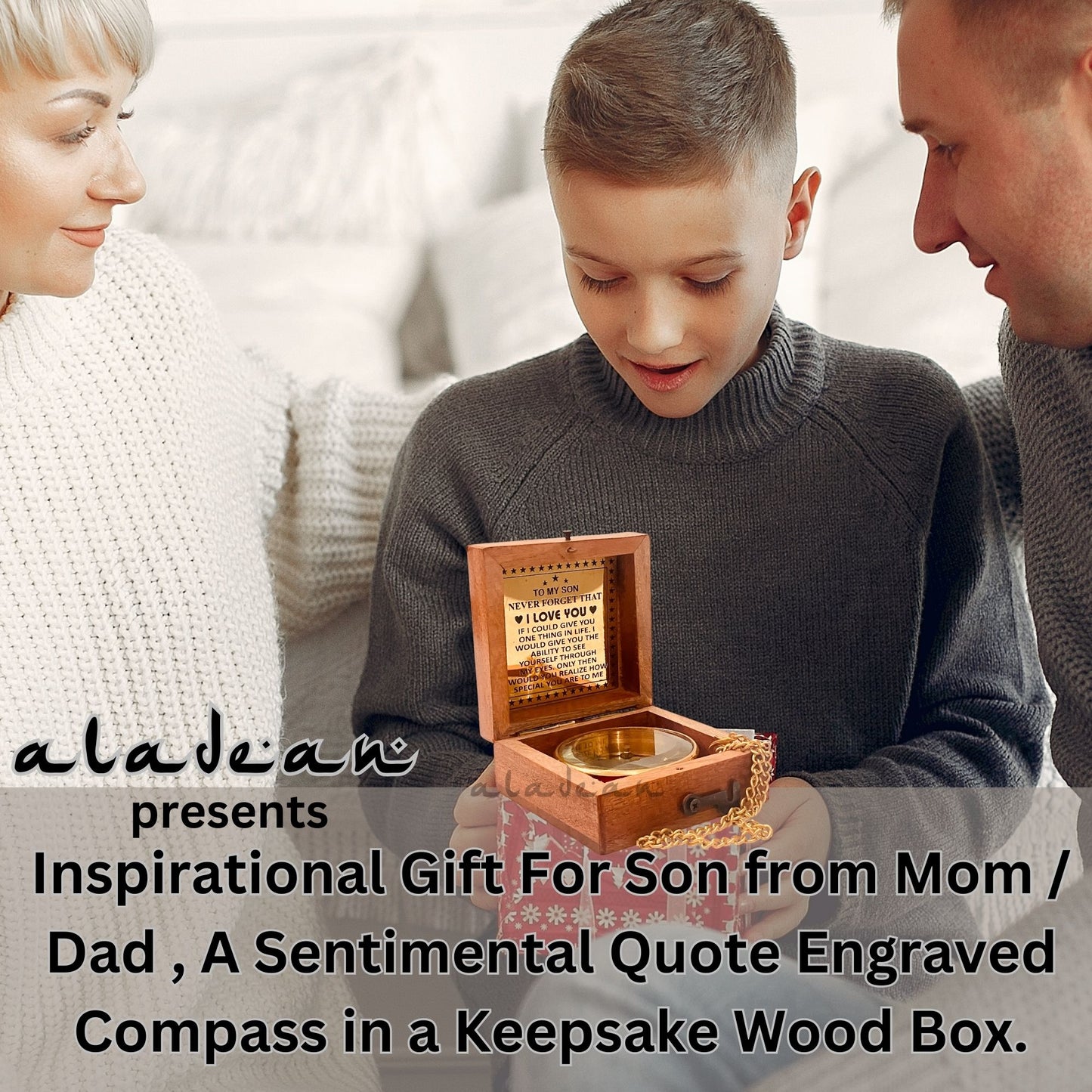
Gravieren Sie Ihre Botschaft in ein Andenken, das er jeden Tag bei sich trägt
Handgefertigte Messingkompasse, personalisiert in über 40 Sprachen. Ein physischer Anker, wenn Sie nicht da sein können.
Geschenke für den Teenager-Sohn kaufen →Die Welt, durch die sich Ihr Teenager-Sohn gerade bewegt
Jede Generation von Eltern hat sich Sorgen um ihre Teenager-Söhne gemacht. Das ist nicht neu. Was jedoch neu ist – kategorisch, grundlegend neu –, ist das Umfeld, in dem diese Jungen heute aufwachsen.
Der Druck, dem Ihr Sohn ausgesetzt ist, ist nicht derselbe, den Sie in seinem Alter hatten. Er ist schneller, unsichtbarer, unerbittlicher und von außen weitaus schwerer zu erkennen. Und er wirkt 24 Stunden am Tag, 7 Tage die Woche auf ihn ein, durch ein Gerät, das in seiner Hosentasche, seinem Schlafzimmer und beim Abendessen in seiner Hand liegt.
Zu verstehen, womit er es tatsächlich zu tun hat, ist der erste Schritt, um ihn zu erreichen.
1. Die Social-Media-Falle: Ständig verbunden, oft verzweifelt allein

Hier ist, was gerade in seinem Zimmer passiert, während Sie unten im Haus überlegen, ob Sie anklopfen sollten.
Er ist an seinem Handy. Er ist schon seit Stunden daran. Er sieht andere Jungen in seinem Alter, die selbstbewusster, beliebter und sicherer wirken. Er sieht Highlight-Reels von Leben, die ganz anders aussehen als seines. Er befindet sich in Gruppenchats, in denen die soziale Dynamik brutal, schnell und für Sie völlig unsichtbar ist. Er wird algorithmisch mit Inhalten gefüttert, die – von einigen der klügsten Ingenieure der Welt – darauf ausgelegt sind, ihn emotional bei der Stange zu halten, egal was es kostet.
Und er wirkt ganz normal. Er ist nur an seinem Handy. In seinem Zimmer. Still.
Das ist das Grausamste daran. Der Schaden ist unsichtbar, bis er es nicht mehr ist.
- Jungen, die täglich mehr als 5 Stunden in sozialen Medien verbringen, berichten dreimal häufiger von Gefühlen der Hoffnungslosigkeit (CDC)
- In Großbritannien hat jedes sechste Kind im Alter von 5–16 Jahren mittlerweile eine wahrscheinliche psychische Erkrankung – eine Zahl, die sich seit 2004 verdoppelt hat (NHS Digital)
- In Australien treten 75 % aller psychischen Erkrankungen vor dem 25. Lebensjahr auf, wobei soziale Isolation ein Hauptauslöser ist (Beyond Blue)
- In der gesamten EU berichten Teenager-Jungen durchgehend, dass soziale Medien ihnen das Gefühl geben, "nicht gut genug" zu sein – was Ängste, Aggressionen und den Rückzug aus realen Beziehungen befeuert
Die Frage ist nicht, ob soziale Medien Ihren Sohn beeinflussen. Das tun sie. Die Frage ist, ob es etwas in seinem Leben gibt – etwas Echtes, Physisches, Verwurzeltes –, das stärker ist als der Sog des Bildschirms.
2. Gruppenzwang: Der Sog zur falschen Clique

Gruppenzwang hat es schon immer gegeben. Aber früher endete er, wenn er nach Hause kam. Heute folgt er ihm durch die Haustür, die Treppe hinauf und um Mitternacht bis in sein Bett.
Der Gruppenchat schläft nie. Die soziale Hierarchie pausiert nie. Der Druck, dazuzugehören, mitzumachen, nicht derjenige zu sein, der Nein sagt – das ist konstant, unerbittlich und findet in Räumen statt, die Sie nicht sehen können.
- USA: 28 % der Teenager geben an, online gemobbt zu werden; Jungen sind zunehmend sowohl Täter als auch Opfer von physischer und Cyber-Aggression (Pew Research)
- UK: Jeder fünfte junge Mensch erlebt Cybermobbing; Jungen berichten deutlich seltener darüber, was ein Eingreifen erschwert (Childline)
- Australien: 44 % der jungen Australier haben Cybermobbing erlebt – eine der höchsten Raten in der entwickelten Welt (eSafety Commissioner)
- EU: In Deutschland, Frankreich und den Niederlanden ist die Bandenkriminalität unter Teenager-Jungen in städtischen Gebieten stark angestiegen, angetrieben durch soziale Ausgrenzung und Online-Rekrutierung
Die härteste Wahrheit, der sich jeder Elternteil irgendwann stellen muss: Wenn Sie bemerken, dass etwas nicht stimmt, hat die Peergroup oft schon einen größeren Einfluss als die Familie. Das Zeitfenster, um Ihre Werte in ihm zu verankern – so tief, dass sie unter Druck standhalten –, ist früher, als die meisten Eltern vermuten.
Zurück zu Sarah und Liam. Mit 15 begann Liam, Zeit mit einer neuen Gruppe von Jungen zu verbringen. Sie kannte deren Eltern nicht. Sie wusste nicht, wo sie nach der Schule hingingen. Sie fragte einmal nach, und er blockte komplett ab. Sie lag in dieser Nacht wach und dachte: Ich habe keine Ahnung, wer mein Sohn gerade wird. Dieser Gedanke – dieser spezifische, erschreckende Gedanke – ist einer, den Millionen von Eltern auf der ganzen Welt stillschweigend teilen, zu verängstigt, um ihn laut auszusprechen.
3. Substanzkonsum: Das Einfallstor ist jetzt eine Direktnachricht
Drogen und Alkohol waren schon immer Teil der Risikolandschaft für Teenager. Aber das Einfallstor hat sich verändert. Es ist kein Fremder mehr vor der Schule. Es ist eine Direktnachricht von jemandem, den er bereits kennt. Dealer agieren auf denselben Plattformen, die er nutzt, um sich Fußball-Highlights anzusehen. Vaping ist in Schultoiletten in den USA, Großbritannien und Australien normalisiert. Und die Substanzen selbst sind gefährlicher als alles, womit frühere Generationen konfrontiert waren.
- USA: Fentanyl ist mittlerweile die häufigste Todesursache bei Amerikanern zwischen 18 und 45 Jahren; der Kontakt bei Teenagern nimmt stark zu (CDC)
- UK: Das Vaping unter 11- bis 17-Jährigen hat sich zwischen 2020 und 2023 verdreifacht (Action on Smoking and Health)
- Australien: Jeder vierte Teenager hat bis zum 17. Lebensjahr Cannabis probiert (Australian Institute of Health and Welfare)
- EU: Alkohol bleibt die verbreitetste Substanz unter europäischen Teenagern, wobei exzessives Trinken in Frankreich, Deutschland, Spanien und Polen normalisiert ist
Kein Elternteil möchte glauben, dass sein Sohn gefährdet ist. Aber die Daten unterscheiden nicht nach Postleitzahl, Einkommen oder danach, wie präsent Sie waren. Gefahr ist überall. Und die Frage ist nicht, ob er in Versuchung gerät – sondern ob er etwas in sich trägt, das stark genug ist, um Nein zu sagen, wenn der Moment kommt.
4. Der Abgrund des Gamings: Wenn Flucht zum einzigen Bewältigungsmechanismus wird

Gaming ist nicht der Feind. Aber für eine signifikante Anzahl von Teenager-Jungen wird es zum primären Weg, mit Ängsten, sozialer Ablehnung und einem schleichenden Gefühl des Versagens in der realen Welt umzugehen. Die virtuelle Welt bietet etwas, das die reale oft nicht bietet: sofortiges Feedback, klare Regeln sowie ein Gefühl von Meisterschaft und Zugehörigkeit.
Die WHO hat die Gaming-Störung 2019 offiziell als psychische Erkrankung anerkannt. Studien in den USA, Großbritannien und Australien deuten darauf hin, dass 8–10 % der jugendlichen Gamer Anzeichen eines problematischen Gebrauchs zeigen – Schule, Schlaf, Beziehungen und körperliche Gesundheit werden alle für den Bildschirm geopfert.
Das Warnsignal, das Eltern am häufigsten übersehen: Er spielt nicht nur. Er versteckt sich. Vor den Hausaufgaben. Vor sozialer Angst. Vor einer Welt, in der er sich nicht gut genug fühlt. Das Spiel ist das Symptom. Die Leere darunter ist das, was Ihre Aufmerksamkeit braucht.
5. Die Identitätskrise: Wer ist er, wenn Sie ihn nicht definieren?
Unter jeder anderen Herausforderung liegt diese – diejenige, die selten direkt benannt wird: Teenager-Jungen haben heute Schwierigkeiten zu wissen, wer sie sind.
Die alten Marker für Männlichkeit wurden abgebaut – zu Recht –, aber nichts Klares hat sie ersetzt. Jungen wird gesagt, sie sollen stark, aber auch verletzlich, ehrgeizig, aber nicht aggressiv, selbstbewusst, aber nicht arrogant sein. Die widersprüchlichen Botschaften sind unerbittlich. Und viele Teenager-Jungen, erschöpft von diesem Widerspruch, ziehen sich in Online-Communities zurück, die eine einfachere, sicherere Identität bieten. Manchmal sind diese Gemeinschaften gesund. Manchmal sind sie zutiefst, gefährlich schädlich.
In den USA und Großbritannien ist der Aufstieg extremistischer Online-Communities, die gezielt Teenager-Jungen ansprechen, von Forschern und Strafverfolgungsbehörden gut dokumentiert. In Australien und Europa sind die Jugendpsychiatrien überlastet. Der gemeinsame Nenner in jedem Fall: Jungen, die nicht wussten, wer sie waren oder wofür sie standen, wurden von denjenigen geformt, die sie zuerst erreichten.
Das Gegenmittel dazu ist nicht Kontrolle. Es ist Identität. Ein Junge, der weiß, wer er ist – dem es klar und wiederholt von den Menschen gesagt wurde, die ihn am meisten lieben –, ist weitaus schwerer in die falsche Richtung zu lenken.
Das Gespräch, das jeder Elternteil führen muss – und wie man es tatsächlich führt

Die Forschung ist in jedem Land und jeder Kultur konsistent: Der wichtigste Schutzfaktor für einen Teenager-Jungen – gegen Drogen, gegen Gruppenzwang, gegen psychische Krisen, gegen Radikalisierung – ist eine starke, sichere, ehrliche Beziehung zu mindestens einem Elternteil oder einer vertrauenswürdigen erwachsenen Person.
Keine perfekte Erziehung. Keine strengen Regeln. Keine Überwachungs-Apps oder Standortverfolgung. Verbindung.
Aber Verbindung ist schwer aufrechtzuerhalten, wenn er sich zurückzieht. Wenn jeder Gesprächsversuch in einem Streit endet. Wenn er Sie ansieht, als würden Sie eine Sprache sprechen, die er nicht mehr versteht. Hier ist, was Kinderpsychologen in den USA, Großbritannien und Australien durchweg empfehlen:
- Reden Sie neben ihm, nicht auf ihn ein. Autofahrten, Spaziergänge, gemeinsames Kochen – Aktivitäten nebeneinander senken die Abwehrhaltung. Blickkontakt fühlt sich für einen Teenager wie ein Verhör an; parallele Aktivitäten fühlen sich sicher an. Manche der wichtigsten Gespräche finden statt, wenn keiner den anderen ansieht.
- Fragen Sie nach seiner Welt, nicht nach seinem Verhalten. „Was ist gerade in der Schule angesagt?“ öffnet mehr Türen als „Hast du deine Hausaufgaben gemacht?“. Neugier auf seine Welt signalisiert Respekt. Ein Verhör über sein Verhalten signalisiert Misstrauen.
- Teilen Sie Ihre eigenen Fehler. Teenager-Jungen respektieren Authentizität mehr als fast alles andere. Wenn Sie ihm von einer Zeit erzählen, in der Sie die falsche Entscheidung getroffen haben – wirklich erzählen, mit Details und Konsequenzen –, werden Sie für ihn real. Nicht nur eine Autoritätsfigur. Ein Mensch, der seine eigene Teenagerzeit überlebt hat und auf der anderen Seite herausgekommen ist.
- Machen Sie Ihre Werte explizit und spezifisch. Gehen Sie nicht davon aus, dass er weiß, wofür Sie stehen. Sagen Sie es ihm. Wiederholt. Auf verschiedene Arten. In verschiedenen Momenten. „In dieser Familie machen wir keine Abkürzungen, die anderen schaden.“ „In dieser Familie sagen wir die Wahrheit, auch wenn es schwer ist.“ Ihre Werte müssen so tief in ihm verankert sein, dass sie mit Ihrer Stimme sprechen, wenn Sie nicht im Raum sind.
Von David, Manchester: „Mein Sohn war 16 und ich konnte spüren, wie er sich von mir entfernte. Andere Freunde, spätes Heimkommen, Geheimniskrämerei mit seinem Handy. Ich wusste nicht, wie ich ihn erreichen sollte, ohne ihn weiter wegzustoßen. Ein Berater riet mir, ein Ritual zu finden – etwas Physisches und Regelmäßiges, das wir zusammen taten, ohne Hintergedanken. Wir begannen, jeden Sonntagmorgen auf einen Flohmarkt zu gehen. Nur wir beide. Keine Handys. Kein Plan. Innerhalb von drei Monaten redete er wieder mit mir. Wirklich reden. Über Dinge, von denen ich nicht einmal wusste, dass sie ihn belasteten. Ich wünschte, ich hätte früher damit angefangen. Ich wünschte, jemand hätte mir gesagt, dass es so einfach sein kann.“
Er braucht Sie immer noch – auch wenn jedes Signal das Gegenteil behauptet

Das Augenrollen. Das Zuschlagen der Türen. Das „Du verstehst mich nicht“ und das „Lass mich einfach in Ruhe“ und die Stille beim Abendessen, die sich anfühlt wie eine Mauer, die man nicht überwinden kann.
Hier ist, was das alles eigentlich bedeutet: Ich brauche dich, damit du es weiter versuchst.
Teenager-Jungen stoßen Eltern als Teil des Entwicklungsprozesses zur eigenen Persönlichkeit weg. Das soll so sein. Aber Studie um Studie – von Harvard, Oxford, dem Australian Institute of Family Studies – zeigt, dass Teenager-Jungen, unter der Performance von Unabhängigkeit, eigentlich wissen wollen, dass ihre Eltern immer noch da sind. Immer noch stolz auf sie. Immer noch an sie glauben. Immer noch die Werte hochhalten, mit denen sie erzogen wurden, auch wenn die Jungen selbst jeden einzelnen davon testen.
Das Problem ist, dass Sie nicht in jedem wichtigen Moment physisch präsent sein können. Sie können nicht im Auto sein, wenn seine Freunde ihm etwas anbieten, das er nicht nehmen sollte. Sie können nicht auf dem Flur sein, wenn jemand versucht, ihn in etwas Falsches hineinzuziehen. Sie können nicht um 2 Uhr morgens in seinem Kopf sein, wenn er eine Entscheidung trifft, die die Richtung seines Lebens verändern könnte.
Aber was, wenn ein Teil von Ihnen dabei sein könnte?
Sarah wusste nicht, was sie wegen Liam tun sollte. Sie hatte versucht zu reden. Sie hatte versucht, ihm Freiraum zu geben. Sie hatte versucht, strenger zu sein, und sie hatte versucht, sanfter zu sein. Nichts schien anzukommen. Dann, an seinem 16. Geburtstag, tat sie etwas, das sie noch nie zuvor getan hatte. Sie setzte sich hin und schrieb ihm einen Brief – keine Karte, einen echten Brief – darüber, wen sie sah, wenn sie ihn ansah. Über den Jungen, der er gewesen war, und den Mann, von dem sie glaubte, dass er gerade wurde. Über die Dinge, die sie nie laut ausgesprochen hatte, weil sie davon ausgegangen war, er wüsste es. Die letzte Zeile ließ sie in einen Messingkompass gravieren: „Du trägst mein Herz bei dir, wohin du auch gehst. Nutze es gut.“ Sie gab ihn ihm beim Frühstück, nur sie beide. Er las den Brief. Er sagte lange Zeit nichts. Dann sagte er: „Mama. Ich wusste nicht, dass du all das denkst.“ In diesem Moment wurde ihr klar, dass sie es ihm tatsächlich nie gesagt hatte.
Die unerwartete Kraft eines physischen Ankers

Psychologen nennen es einen „Objektanker“ – einen physischen Gegenstand, der emotionales Gewicht trägt und eine spezifische Erinnerung, ein Gefühl oder eine Reihe von Werten auslöst, wenn er berührt oder gesehen wird. Sportler nutzen sie vor Wettkämpfen. Soldaten tragen sie in Konflikte. Und seit Jahrhunderten, in jeder Kultur auf Erden, haben Eltern sie ihren Kindern gegeben, bevor sie sie in die Welt hinausschickten.
Die Wissenschaft dahinter ist simpel: Wenn ein Teenager einen Gegenstand hält, der die Worte eines Elternteils trägt – besonders Worte, die dauerhaft in etwas Solides, Schönes und bewusst Ausgewähltes eingraviert sind –, aktiviert dies dieselben neuronalen Bahnen, wie wenn man die Stimme dieses Elternteils hört. Der Gegenstand wird zum Stellvertreter für die Beziehung. Eine physische Erinnerung daran, wer er ist, wo er herkommt und wofür er steht.
Es ersetzt nicht die Gespräche. Es ersetzt nicht die Autofahrten am Sonntagmorgen, die gemeinsamen Mahlzeiten oder die Momente echter Verbundenheit. Aber es erweitert sie. Es trägt sie in die Räume, die du nicht erreichen kannst.
Ein Kompass mit deinen eingravierten Worten liegt auf seinem Schreibtisch, wenn er um Mitternacht Hausaufgaben macht. Er steckt in seiner Jackentasche, wenn er mit Freunden unterwegs ist. Er ist da – solide, echt, warm in seiner Hand – in Momenten des Drucks, der Versuchung, der Unsicherheit. Und in diesem Moment spricht er mit deiner Stimme.
Von Karen, Sydney: „Mein Sohn war 17 und ich hatte wirklich Angst. Sein älterer Bruder war im genau gleichen Alter auf die schiefe Bahn geraten und ich konnte sehen, wie sich die gleichen Anzeichen wiederholten. Ich gab ihm einen Kompass mit der Gravur: ‚Du weißt, wer du bist. Handle auch so.‘ Er lachte, als er ihn öffnete – dieses Teenager-Lachen, das bedeutet: ‚Das ist peinlich, aber ich bin gerührt.‘ Sechs Monate später erzählte er mir, dass er den Kompass in der Tasche hatte, als seine Freunde ihn bedrängten, etwas zu tun, von dem er wusste, dass es falsch war. Er sagte, er habe ihn einfach einen Moment lang festgehalten. Und dann sagte er Nein. Er sagte, er habe meine Stimme gehört. Ich habe eine Stunde lang geweint. Ich weine jetzt, während ich das schreibe.“
Von Michael, Chicago: „Ich gab meinem 15-Jährigen einen Kompass mit der Gravur: ‚Sei der Mann, von dem ich weiß, dass du es bereits bist.‘ Er bewahrt ihn auf seinem Nachttisch auf. Drei Monate später rief mich sein Lehrer an, um mir mitzuteilen, dass er ihn für ein Referat über eine Person, die ihn inspiriert, mit in die Schule gebracht hatte. Er sprach zehn Minuten lang über mich. Ich wusste nicht, ob ich lachen oder weinen sollte – also tat ich beides, in meinem Auto, auf dem Parkplatz der Schule, wie ein absolutes Wrack. Das beste Geld, das ich je ausgegeben habe.“
Von Priya, London: „Mein Sohn hat gemischte Wurzeln – indisch und britisch – und er kämpfte in der Schule stark mit seiner Identität. Er fühlte sich zwischen zwei Kulturen hin- und hergerissen und in keiner von beiden voll akzeptiert. Ich ließ einen Kompass sowohl auf Hindi als auch auf Englisch gravieren: ‚Du trägst zwei Welten in dir. Beide sind deine Stärke.‘ Seine Großmutter weinte, als sie ihn sah. Er trägt ihn jetzt an einer Kette. Kürzlich erzählte er mir, dass er den Kompass berührte und dachte: ‚Ich trage zwei Welten in mir. Beide sind meine Stärke‘, als jemand in der Schule einen Kommentar über seine Herkunft machte. Und er ging einfach weg. Das ist alles, was ich mir je für ihn gewünscht habe.“
Wenn niemand zusieht – Was leitet ihn?

Charakter ist das, was du tust, wenn niemand zusieht. Aber Charakter entsteht nicht aus dem Nichts. Er wird langsam aufgebaut, durch Tausende kleiner Momente der Führung, der Korrektur, der Ermutigung und der Liebe – die meisten davon geschehen so leise, dass sich keiner von euch einzeln an sie erinnern wird. Nur an den kumulativen Effekt.
Das Ziel eines jeden Elternteils, der einen heranwachsenden Jungen erzieht, ist nicht die Kontrolle. Es ist der Aufbau von etwas in ihm, das ihn leitet, wenn du es nicht kannst. Ein moralischer Kompass. Ein Gefühl für sich selbst. Eine Stimme in seinem Kopf, die wie deine klingt – und im richtigen Moment das Richtige sagt, in Momenten, von denen du nie erfahren wirst.
Ein graviertes Andenken wird diese Arbeit nicht für dich erledigen. Aber es kann die physische Verkörperung davon sein – eine greifbare Erinnerung an alles, was du ihm mitgeben wolltest. Präsent in den Momenten, in denen du es nicht sein kannst. Es spricht, wenn du nicht sprechen kannst.
Was würdest du für deinen Sohn gravieren lassen?
Eine Botschaft. Ein Familienwert. Ein Versprechen. Ein Satz aus einem Gespräch, das du nie vergessen wirst. Graviert in jeder Sprache – auf einem Andenken, das ein Leben lang und darüber hinaus hält.
Seinen Kompass gestalten →Die Bindung, die ihn auf dem Boden hält

Die Forschung ist eindeutig, über alle Kulturen und Länder hinweg: Heranwachsende Jungen, die sich ihren Eltern wirklich verbunden fühlen – die wissen, dass sie geliebt werden, dass an sie geglaubt wird und dass Standards von ihnen erwartet werden – neigen signifikant weniger dazu, in Drogenmissbrauch, Bandenkriminalität oder psychische Krisen zu geraten. Die Verbindung ist der Schutz. Das ist keine Metapher. Das ist der tatsächliche Mechanismus.
Und Verbindung entsteht in den kleinen Momenten. Die Autofahrten am Sonntagmorgen. Die gemeinsamen Mahlzeiten, bei denen die Handys mit dem Display nach unten liegen. Die Gespräche, die über nichts beginnen und bei allem enden. Die Momente, in denen er sieht, dass du ihn siehst – ihn wirklich siehst, nicht nur seine Noten, sein Verhalten oder seine Entscheidungen – und dass du stolz auf das bist, was du siehst.
Ein Geschenk mit deinen eingravierten Worten ist einer dieser Momente. Es sagt ohne jegliche Zweideutigkeit: Ich habe an dich gedacht. Ich habe diese speziellen Worte für dich ausgewählt. Ich möchte, dass du dies bei dir trägst. Diese Botschaft – übermittelt durch etwas Dauerhaftes und Schönes, etwas, das er in der Hand halten kann – landet anders als jedes Gespräch. Es wird Teil seiner Geschichte. Teil dessen, wie er sich selbst versteht.
Was man gravieren sollte: Worte, die Teenager wirklich erreichen
Die wirkungsvollsten Gravuren sind keine inspirierenden Zitate aus dem Internet. Es sind Worte, die nach dir klingen – spezifisch, ehrlich, direkt. Hier sind einige Anregungen, aber die beste Botschaft ist immer die, die nur du schreiben könntest:
- „Du weißt, wer du bist. Handle auch so.“
- „Sei der Mann, von dem ich weiß, dass du es bereits bist.“
- „Wähle im Zweifel lieber den schwereren richtigen als den leichteren falschen Weg.“
- „Dein Name bedeutet etwas. Beschütze ihn.“
- „Ich bin stolzer auf deinen Charakter als auf alles andere, was du je erreichen wirst.“
- „Die Welt braucht den Mann, der du wirst. Enttäusche sie nicht.“
- „Mut ist nicht die Abwesenheit von Angst. Es ist, das Richtige trotzdem zu tun.“
- „Du trägst die Ehre unserer Familie. Trage sie gut.“
- „Wenn du dich verirrst, erinnere dich daran, wer dich liebt. Dann finde deinen Weg zurück.“
- „Ich werde immer stolzer auf deine Freundlichkeit sein als auf deinen Erfolg.“
- „Du trägst mein Herz bei dir, wohin du auch gehst. Nutze es gut.“
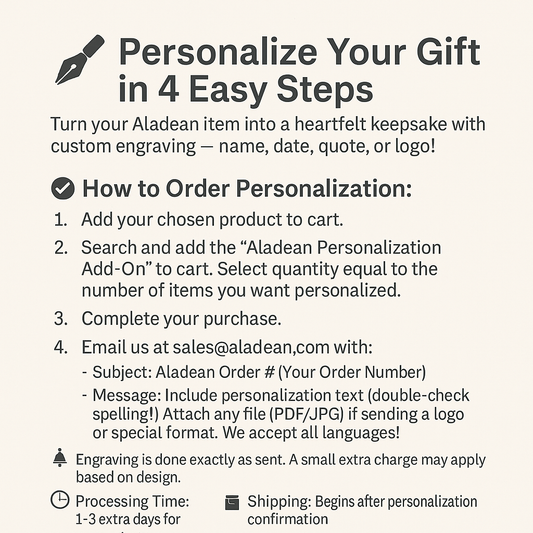
Aladean graviert in über 40 Sprachen – Arabisch, Hindi, Mandarin, Spanisch, Französisch, Polnisch, Urdu, Japanisch, Koreanisch, Russisch, Griechisch und viele mehr. Zweisprachige Gravuren sind für multikulturelle Familien verfügbar. Denn Liebe gehört zu keiner einzelnen Sprache, und die Identität deines Sohnes auch nicht.
Erziehe ihn dazu, seinen eigenen „wahren Norden“ zu finden

Liam ist jetzt 19. Er studiert Ingenieurwesen. Er ruft seine Mutter jeden Sonntag an – nicht, weil sie ihn darum bittet, sondern weil er es will. Er behält den Kompass auf seinem Schreibtisch. Er hat ihn seinen Mitbewohnern gezeigt. Er sagte zu einem von ihnen, als sie eines Nachts spät über Familie sprachen: „Meine Mutter hat mir das gegeben, als ich 16 war. Ihre Worte stehen darauf. Ich bin noch nie irgendwohin gegangen, ohne ihn dabei zu haben.“
Sarah weiß nicht, dass er das gesagt hat. Vielleicht wird sie es nie erfahren. Aber der Kompass weiß es. Und er auch.
Die Teenagerjahre werden vergehen. Der Junge, der Türen knallt und mit den Augen rollt, wird ein Mann – und der Mann, der er wird, wird mehr als er jemals zugeben wird von den Werten geprägt sein, die du in ihn gepflanzt hast, und von der Liebe, die du ihm nicht vorenthalten hast, selbst als er sie weggestoßen hat. Besonders dann, wenn er sie weggestoßen hat.
Du kannst ihn nicht vor allem beschützen. Du kannst nicht überall sein. Aber du kannst ihm etwas geben, an dem er sich festhalten kann – etwas, das deine Stimme, deine Werte und deine Liebe in jeden Raum trägt, den du nie betreten wirst, und in jeden Moment, den du nie sehen wirst.
Das ist nicht nur ein Geschenk. Das ist ein Kompass.
Häufig gestellte Fragen
Was ist das beste Geschenk für einen Teenager, der eine schwierige Zeit durchmacht?
Die sinnvollsten Geschenke für Teenager in schwierigen Phasen sind solche, die Verbundenheit, Vertrauen und bedingungslose Liebe vermitteln – ohne Druck oder Bedingungen. Ein personalisierter Kompass mit einer individuellen Botschaft (kein allgemeines Zitat) wird von Eltern immer wieder als eines der wirkungsvollsten Geschenke genannt, die sie je gemacht haben. Es ist physisch, dauerhaft und privat – er kann ihn halten, ohne Dankbarkeit vor jemandem zeigen zu müssen. Er ist da, wenn du nicht da bist.
Wie spreche ich mit meinem Sohn im Teenageralter über Gruppenzwang und Drogen?
Kinderpsychologen empfehlen, belehrende Gespräche komplett zu vermeiden. Teile stattdessen Geschichten aus deiner eigenen Teenagerzeit – einschließlich deiner Fehler, mit echten Details. Stelle offene Fragen über seine Welt statt über sein Verhalten. Schaffe regelmäßige, druckfreie Rituale (Autofahrten, Spaziergänge, gemeinsames Kochen), bei denen Gespräche natürlich entstehen können, ohne dass einer von euch sich „anstrengen“ muss. Das Ziel ist es, die Person zu sein, zu der er kommt, wenn etwas schiefgeht – und diese Beziehung wird lange vor der Krise aufgebaut.
Was kann ich auf ein Geschenk für meinen Sohn gravieren lassen?
Die wirkungsvollsten Gravuren sind persönlich und direkt – Worte, die nach dir klingen, nicht nach einer Grußkarte. Kurze, starke Aussagen funktionieren am besten: „Sei der Mann, von dem ich weiß, dass du es bereits bist“ oder „Du weißt, wer du bist. Handle auch so.“ Du kannst auch einen Familienwert, eine Zeile aus einem bedeutsamen Gespräch oder eine Botschaft in deiner Muttersprache gravieren lassen. Aladean graviert in über 40 Sprachen und Schriften, einschließlich zweisprachiger Gravuren für multikulturelle Familien.
In welchem Alter sollte ich meinem Sohn ein bedeutungsvolles Andenken geben?
Viele Eltern wählen Meilensteine: den 13. Geburtstag (Eintritt in die Teenagerjahre), den 16. Geburtstag, den 18. Geburtstag oder vor einem bedeutenden Übergang, wie dem Beginn der weiterführenden Schule, dem Auszug von zu Hause oder einer Phase sichtbarer Schwierigkeiten. Es gibt keinen falschen Zeitpunkt – aber früher ist oft besser. Ein Kompass, der mit 14 geschenkt wird, hat mehr Jahre Zeit, seine Wirkung zu entfalten, als einer, der mit 18 gegeben wird. Und der Akt des Schenkens – das Gespräch, das ihn begleitet – ist genauso wichtig wie der Gegenstand selbst.
Schenke ihm etwas, das bleibt
Graviere deine Worte. Baue seinen Kompass.
Handgefertigte Messing-Andenken, personalisiert in über 40 Sprachen. Versand in die USA, nach Großbritannien, Australien, in die EU und weltweit.
Geschenke für den Sohn kaufen →Kostenlose Personalisierung. Von Hand graviert. Für Generationen gebaut.